
Bras >


Underwear >

Lounge >

Sleep >

Explore Our Best
Sellers
Sale!
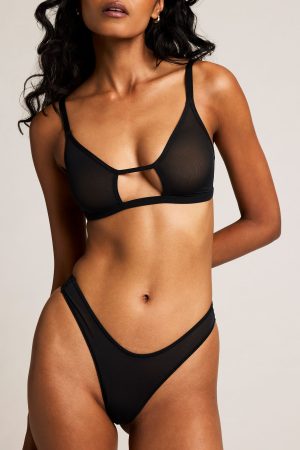

Price range: $21.00 through $35.70
Sale!
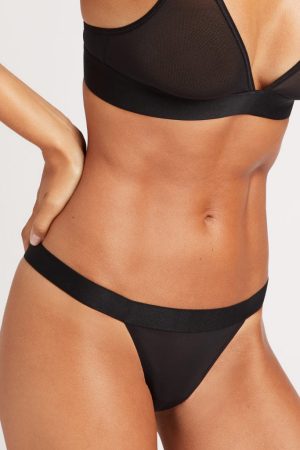
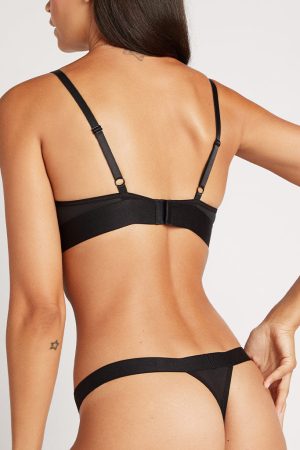
Price range: $9.60 through $16.80
Sale!
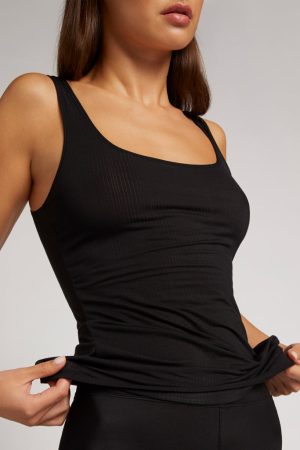

Price range: $22.50 through $42.60
Sale!
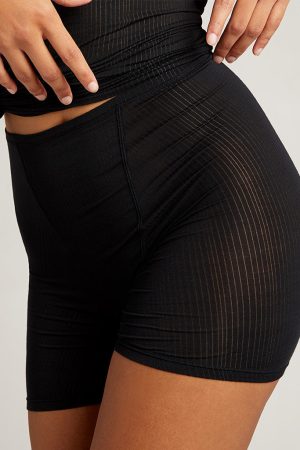
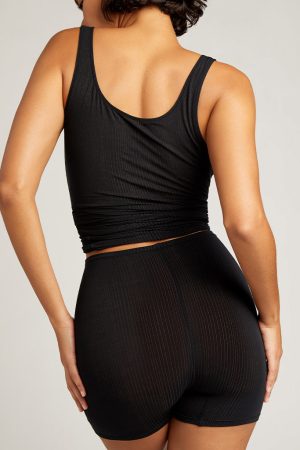
Price range: $15.00 through $28.50
Sale!
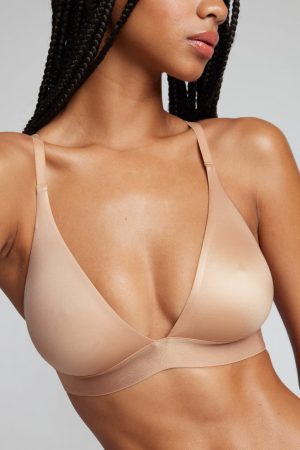
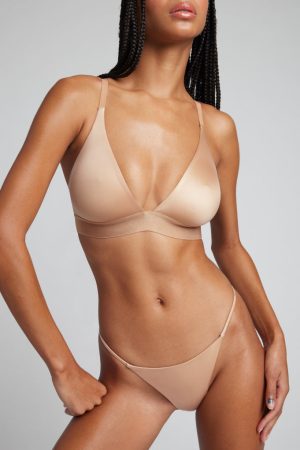
Price range: $22.50 through $38.40
Sale!
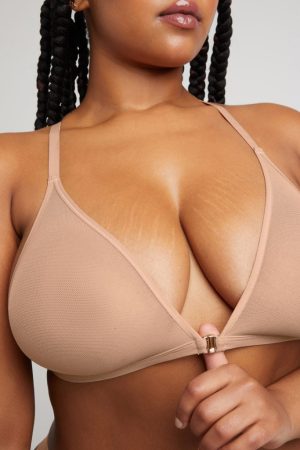
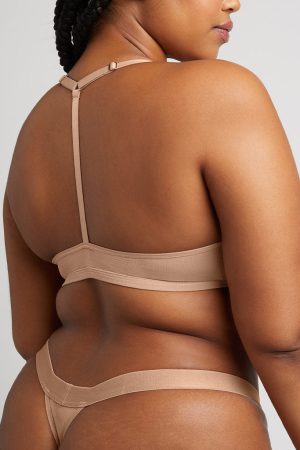
Price range: $21.00 through $35.70
Sale!
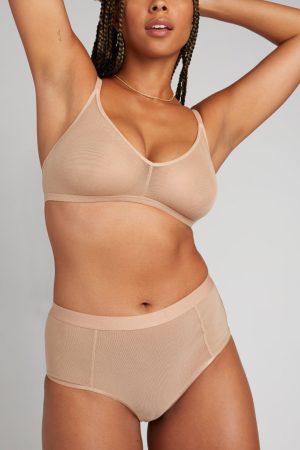

Price range: $21.00 through $35.70
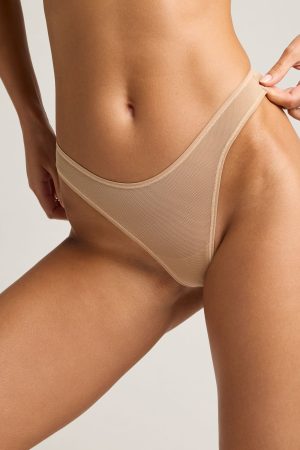

Sale!


Original price was: $75.00.$22.50Current price is: $22.50.
Sale!
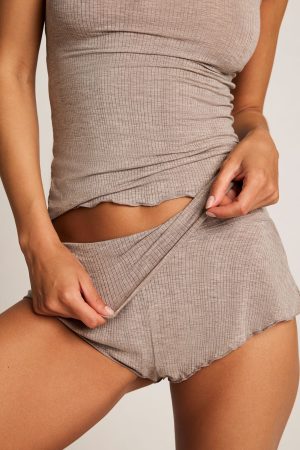
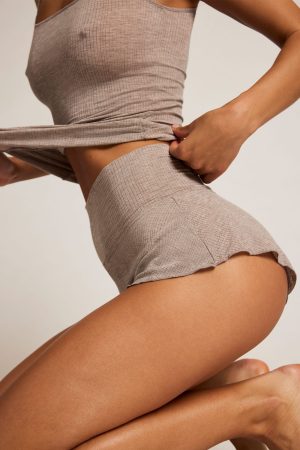
Original price was: $65.00.$19.50Current price is: $19.50.
Sale!
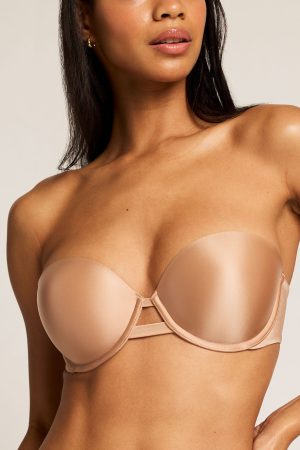
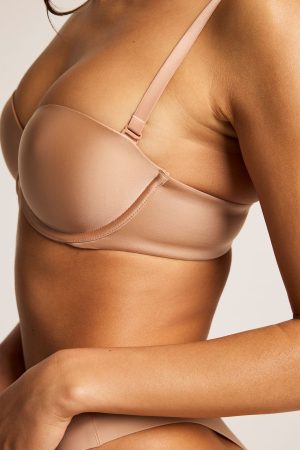
Original price was: $78.00.$23.40Current price is: $23.40.
Beyond the Surface: The Evolution of Textiles in Modern Intimate Wear
The history of intimate apparel is deeply intertwined with the evolution of textile technology. Today, the materials used in these garments are more advanced than ever, combining traditional craftsmanship with modern engineering to provide unparalleled comfort and durability. Understanding these materials can help you make more informed decisions for your wardrobe.
The Rise of Natural Fibers
Natural materials remain a gold standard for those seeking breathability and a soft touch. Cotton, for instance, is prized for its hypoallergenic properties and its ability to absorb moisture. This makes it an ideal choice for everyday wear, particularly for those with sensitive skin.
In recent years, we have seen the emergence of other plant-based fibers. Some materials derived from cellulose offer a silky texture that feels cool against the skin while being remarkably resilient. These fibers are often blended with small amounts of elastic materials to ensure the garment retains its shape over time, providing the perfect blend of nature and performance.
Innovations in Synthetic Engineering
Synthetic fibers have revolutionized the way we think about support and flexibility. Modern polyesters and polyamides are no longer the stiff fabrics of the past. Instead, they are engineered to be incredibly fine, allowing for the creation of ultra-lightweight garments that offer significant structural integrity.
One of the most important developments in this field is the creation of moisture-wicking fabrics. These materials are designed to pull perspiration away from the body to the surface of the fabric, where it can evaporate quickly. This is particularly beneficial for those with an active lifestyle or for wear in warmer climates.
Construction Techniques
The way a garment is put together is just as important as the fabric itself. Laser-cutting technology and bonded seams have paved the way for “raw-cut” edges, which eliminate the bulk of traditional stitching. This results in a much flatter finish that stays invisible under tight-fitting clothes.
Furthermore, the integration of targeted compression zones allows designers to create garments that provide support exactly where it is needed without the use of uncomfortable wires or heavy padding. This marriage of advanced textiles and innovative construction ensures that modern intimate wear is both functional and incredibly comfortable to wear for long durations.